


Oscar Health
3.21.20K Reviews
App Specs
- Version
- 6.41.0
- Updated On
- License
- Free
- Downloads
- 500,000+
- Developer
- Oscar Health, Inc
- Categories
- Medical
- Platform
- Android, iOS
Screenshots

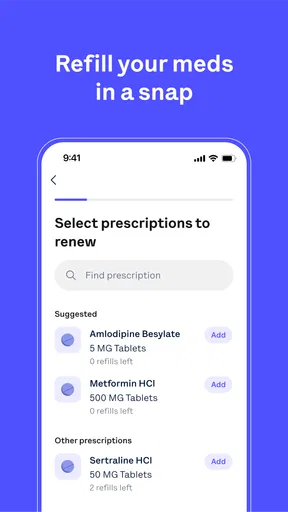
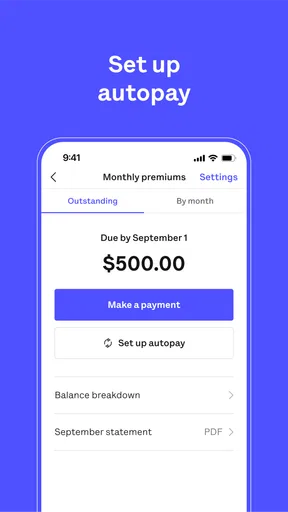
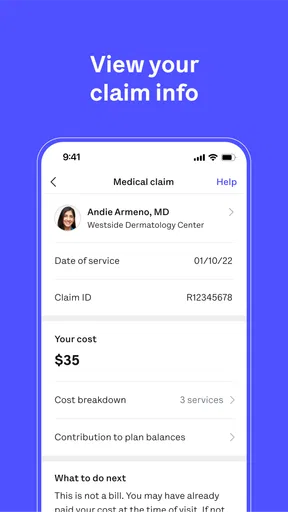
 Analysis by AppCompare
For Oscar members who want to handle care from a phone, Oscar Health is best understood as a practical access point rather than a replacement for the healthcare system. I find its most useful promise is reducing the small obstacles between a health concern and taking a next step: having an insurance ID available, finding a way to ask for medical advice, and keeping health-related tasks together. That convenience matters most when I need to act quickly or am away from home, though it does not remove the need to check whether a particular service fits my situation.
The app comes from Oscar Health, Inc, and its focus is medical care for Oscar members. It is free to download, rated for Everyone, and the current version is 6.31.0. Its audience is therefore fairly specific: the strongest reason to install it is having Oscar coverage, not simply wanting a general wellness tracker. The app has a 4.3 average from around 3.4 thousand ratings, and more than 500 thousand installs. Those figures suggest an established user base, but they cannot tell me whether a particular doctor, service, or plan detail will suit an individual member.
A mobile route into member care
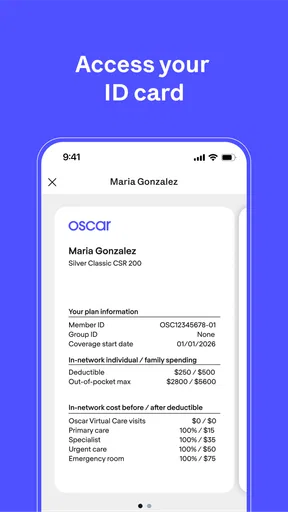
The feature that shapes my view of the app is its effort to make getting care more convenient while you are on the go. The virtual insurance ID is a simple example: instead of relying on a card tucked into a wallet, I can bring up the digital version when I need to show insurance information. That is a modest improvement, but it can save a scramble at a reception desk or when I am sorting out care away from home. I would still keep my physical card available as a backup when practical, rather than assuming a phone will always be charged or accessible.
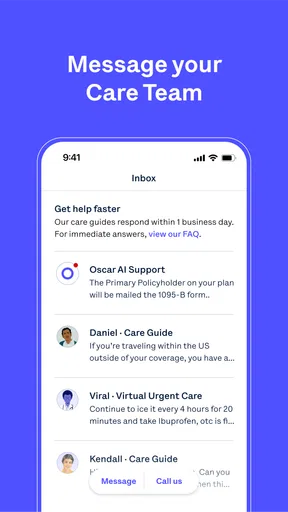
Doctor on Call extends that mobile approach by letting members chat with a doctor through the app. For a concern that is worrying but not obviously an emergency, being able to seek medical advice without first arranging a trip can feel like a useful first move. I would treat it as a way to start a care conversation, not as a guarantee that every concern can be handled remotely. Some problems call for an in-person examination or urgent help, and the convenience of a chat should not delay either.
How the convenience holds up in a routine
In ordinary use, an insurance app earns its place less through novelty than through being ready at the moment I need it. A digital ID is most valuable when I remember to sign in and keep the app accessible before an appointment, not while I am already standing at a check-in counter. The same practical thinking applies to seeking advice: opening the app and explaining a concern may be easier than searching for a number, but I would still think about how urgent the symptoms are before choosing a chat.
Oscar Health also brings together health tips, reminders, and tools for tracking goals, and it can connect with fitness trackers. I see those as supporting features rather than the main reason to use it. They may help someone who likes having health tasks and activity information in one place, but they do not automatically make the app a complete medical record or a substitute for a clinician’s guidance. I would use reminders for routine follow-through and keep my own notes for anything important that I may need to explain during a visit.
Where it fits—and where it doesn’t
Compared with a general health or fitness app, Oscar Health has a narrower, more insurance-centered purpose: it is aimed at members who want a mobile route to their care and plan-related tools. A fitness app may be the better choice if all I need is detailed exercise tracking, while a clinic’s own patient app may make more sense for appointments or records tied to one medical practice. Oscar’s appeal is that it brings member access and care options together, rather than trying to be the best specialist tool for every health task.
Worth Reading Before You Choose

EA SPORTS FC Mobile 26 Is a Bigger Football Game, but It Takes Time

Flipboard Shows What News Apps Must Do Beyond the Feed

Switching to Android Auto Means Rethinking Your Driving Routine

Google Calendar Makes a Crowded Week Easier to Manage

Ludo King Makes the Most of the Minutes Between Plans

Baby Panda World Brings Quick Play to Modern Phones, but Its Game Library Feels Busy
That focus is also its main limitation. The app is not equally useful to someone who is not an Oscar member, and a clean interface cannot make every healthcare question simple. Remote advice is not the right answer for every symptom; connected activity data can be less useful if you do not wear or use a compatible tracker; and digital access depends on having your phone available. I would skip it as a general wellness download if I had no reason to use Oscar’s member services, and I would choose a more specialized app when my main need is tied to a particular clinic or fitness routine.
A realistic moment when it helps
Imagine I am away from home, notice a health concern, and realize I do not have my insurance card in my wallet. Having the digital ID on my phone could make the administrative part less stressful, while the option to chat with a doctor may help me decide what to do next if the concern is suitable for remote advice. The useful detail is the sequence: the ID helps with member identification, while a care conversation helps with a different question. Neither step should be mistaken for a diagnosis, and serious or rapidly worsening symptoms call for appropriate urgent care rather than waiting for an app interaction.
For a calmer, non-urgent issue, I would make the conversation more useful by briefly noting when the symptoms began, what has changed, and what I have already tried. That small bit of preparation can help me explain the concern clearly instead of trying to remember details on the spot. I would also check that I am signed in before I need the app and keep the phone charged when I expect to rely on a digital card. These are ordinary precautions, but they are exactly what turn mobile access from a nice idea into something dependable in practice.
What to check before relying on it
Before treating Oscar Health as my main route to care, I would confirm that I can sign in with my member details and that the options shown in the app match the service I intend to use. Member tools are useful only when they connect to the right coverage and situation, so I would not assume that every kind of visit or concern is handled the same way. If I need a specific kind of appointment, I would look for the relevant route in the app and verify the next step rather than guessing from the presence of a chat feature.
I would also decide in advance what I expect the app to do. It can make member access more convenient and offer a way to seek advice, but it is not a universal emergency channel, a replacement for an in-person examination, or necessarily the best place to manage every record. This distinction answers a common practical question: can I use it instead of contacting a doctor? For some suitable concerns, it may help me start that process; for urgent symptoms or care that requires examination, I would use an appropriate direct service instead.
Who is likely to get the most from it
I would recommend Oscar Health most readily to Oscar members who want their insurance ID close at hand and appreciate having a mobile option for care conversations. It is especially practical for people who travel locally, tend to leave paperwork at home, or prefer to begin with a remote discussion when a concern does not appear urgent. Members who already use reminders or fitness tracking may also like having those supporting tools nearby, provided they view them as conveniences rather than a complete picture of their health.
It is less compelling for someone who is not covered by Oscar, for a person who wants only a dedicated exercise tracker, or for someone whose care is organized entirely through a clinic-specific system. I would also avoid relying on it as my only preparation for an appointment: keep essential information accessible in another way, and use direct clinical or emergency services when the situation calls for them. The right choice depends less on how many tools an app gathers than on whether its member-focused route matches the care I actually need.
Getting Started with Oscar Health
First things first, downloading Oscar Health is a breeze. Available on both Android and iOS, it takes just a few taps to get started. Once you’re in, the interface greets you with a clean, user-friendly design. No clutter, just what you need right where you need it. I felt like the app was holding my hand through the setup process, which was a pleasant surprise.
The initial setup requires some basic information, but the app does a great job of guiding you through it. You’ll need to input your insurance details, but don’t worry, it’s all secure and straightforward. The app even offers a little tutorial to make sure you’re not missing out on any features.
Features That Stand Out
Now, let’s talk features. One of my favorites has to be the virtual ID card. Seriously, how many times have you forgotten your physical insurance card at home? With Oscar Health, your ID is always within arm’s reach. Just pull out your phone, and there it is.
Another standout feature is the Doctor on Call service. I’ve used it a couple of times already, and it's incredibly convenient. Imagine not having to leave your couch to get medical advice. You can chat with a doctor directly from the app, which is perfect for those late-night health concerns.
Beyond that, the app is packed with tools that help manage your health effectively. From personalized tips and reminders to track your health goals, Oscar Health seems committed to keeping you on track.
What’s the Buzz?
One thing I’ve noticed is how engaged the Oscar Health community is. The app features a section where users can share experiences and tips, which is a nice touch. It feels like a supportive space where everyone’s goal is to help each other out.
The app also integrates seamlessly with fitness trackers, which is a huge plus for those of us who like to keep tabs on our physical activity. It syncs data effortlessly, so you don’t have to worry about manual logging.
Final Thoughts
Overall, I’m pretty impressed with Oscar Health. It’s more than just a healthcare app—it’s like having a personal health assistant in your pocket. It simplifies the often complicated world of health insurance and makes managing your health feel a lot less daunting.
If you’re on the lookout for an app that combines functionality with a user-friendly experience, you might want to give Oscar Health a try. It’s got a lot to offer, and who knows—it might just become your new favorite health companion.
Pros
- User-friendly interface for easy navigation.
- Comprehensive health tracking features.
- Access to a wide network of doctors.
- 24/7 telemedicine support available.
- Integrated billing and claims management.
Cons
- Limited availability in certain regions.
- Occasional app crashes reported.
- Some features require premium access.
- Customer service response can be slow.
- Limited customization of notifications.
FAQs for Oscar Health
What is Oscar Health and how does it work?
Oscar Health is a technology-driven health insurance platform that offers a user-friendly experience for managing healthcare needs. With a focus on simplicity and transparency, the app allows users to find doctors, book appointments, and access telemedicine services. It also provides personalized health tips and 24/7 support to help users manage their health effectively.
Is Oscar Health available in my area?
Oscar Health is available in select states across the United States. To determine if it is available in your area, you can visit their official website or download the app and enter your zip code. The app will guide you through the process of checking availability and selecting the right plan for your needs.
What features does the Oscar Health app offer?
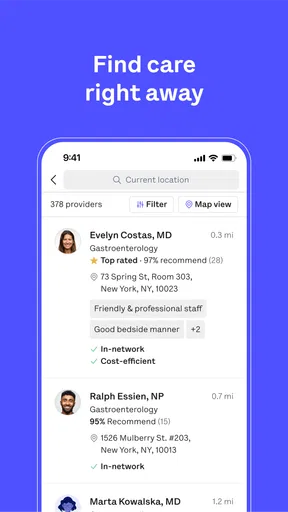
The Oscar Health app offers a variety of features designed to make healthcare management easy and efficient. Key features include finding in-network doctors, booking appointments, accessing telemedicine services, tracking deductibles and out-of-pocket expenses, and receiving personalized health recommendations. The app's intuitive design ensures users can navigate and utilize these features with ease.
How does Oscar Health ensure data security and privacy?
Oscar Health takes data security and privacy seriously by implementing robust encryption and security protocols. The app complies with HIPAA regulations to protect users' sensitive health information. Regular security audits and updates are conducted to safeguard data against unauthorized access, ensuring users can trust the app with their personal health information.
What costs are associated with using Oscar Health?
The costs associated with using Oscar Health vary depending on the plan selected. Users can choose from different tiers of coverage, each with its own premiums, deductibles, and out-of-pocket maximums. The app provides clear breakdowns of potential costs, helping users make informed decisions about their healthcare spending based on their specific needs and budget.


